Quick Healthy Dinner Solutions
Discover how to prepare nutritious, satisfying meals in under 30 minutes. Learn the strategies, techniques, and ingredient combinations that busy professionals use to eat well every single night.
The information on this site is for educational purposes only and does not constitute medical advice. Always consult a qualified healthcare professional before making health decisions.
Why Quick Healthy Dinners Matter
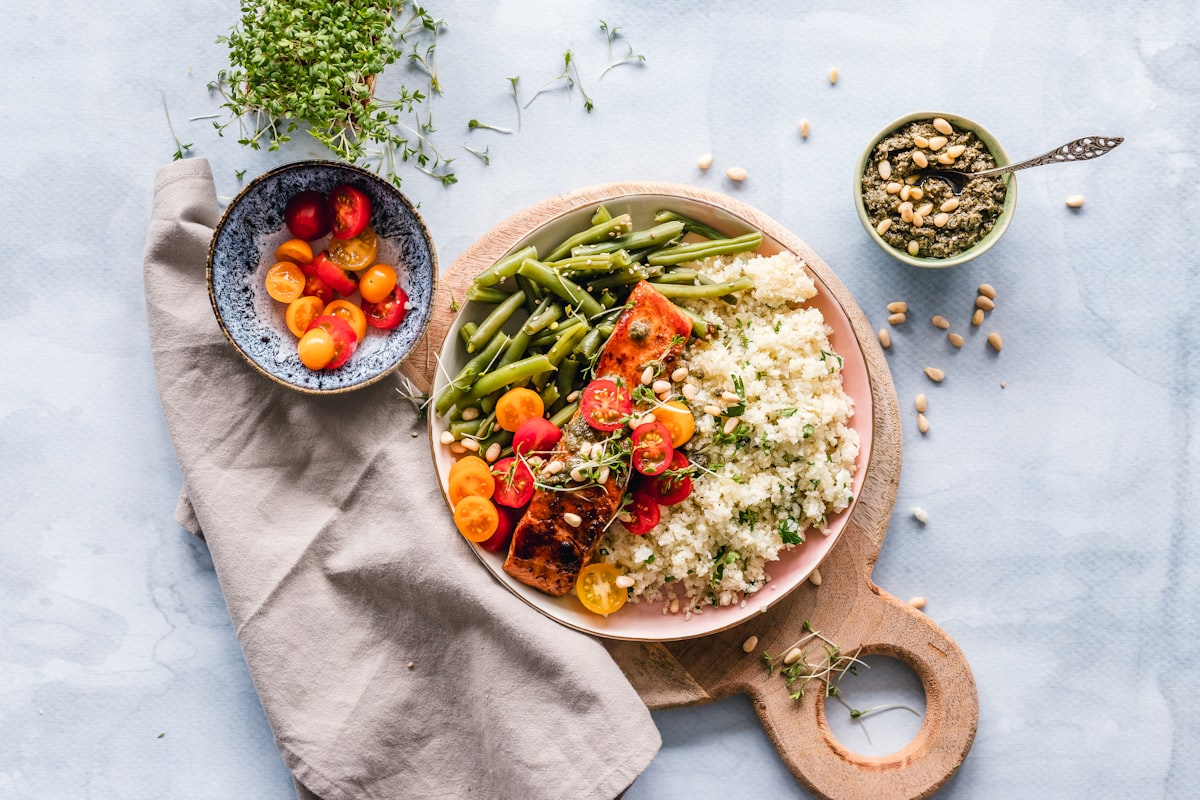
Nutritious Eating on a Busy Schedule
Modern life moves fast, and so does hunger. The challenge isn't whether you should eat healthy—it's how to do it when you have limited time after work, school runs, or other commitments. Quick healthy dinners bridge this gap by combining nutrient-dense ingredients with efficient cooking methods.
When dinner preparation takes 30 minutes or less, you're far more likely to skip the takeaway menu and cook at home. This simple shift improves your overall nutrition, reduces excess sodium and refined carbohydrates, and helps you maintain consistent eating patterns that support sustained energy and mental clarity throughout your day.
Save Time Without Sacrificing Quality
One-pan meals, sheet-pan dinners, and smart ingredient prep reduce both active cooking time and cleanup.
Control Every Ingredient
Home cooking lets you choose fresh produce, quality proteins, and healthy oils—avoiding hidden additives.
Develop Lasting Cooking Skills
Practicing quick recipes builds kitchen confidence and helps you adapt recipes to your available ingredients.
Support Your Energy and Mood
Balanced, whole-food dinners stabilize blood sugar and support better sleep and mental focus.
Key Features of Efficient Dinner Prep
30-Minute Method
Time-efficient cooking relies on pre-washed vegetables, quality knives, and proper heat control. Learning to multitask—while one pan heats, you chop vegetables—cuts cooking time dramatically without compromising flavor or nutrition.
Whole-Food Ingredients
Quick dinners don't mean processed meals. Fresh vegetables, lean proteins, whole grains, and healthy fats form the foundation. These real foods digest well, provide sustained energy, and naturally support your overall health without relying on quick-fix supplements.
Balanced Plate Approach
A quick dinner structure of protein + healthy carbs + vegetables + fat ensures you're satisfied and energized. This balance slows digestion, prevents energy crashes, and helps maintain focus for evening activities or family time.
High-Heat Cooking Techniques
Stir-frying, pan-searing, and roasting at high temperatures cook food quickly while preserving nutrients and creating delicious browning and flavor. These methods require minimal added fat and deliver restaurant-quality results at home.
One-Pan & Sheet-Pan Meals
Cooking everything in a single vessel reduces cleanup and shortens total meal time. Sheet-pan dinners with roasted vegetables and protein, or one-pot soups and stir-fries, simplify your cooking without reducing nutritional value.
Smart Ingredient Combinations
Knowing which ingredients pair well—and which complement each other nutritionally—lets you build meals intuitively. Tomatoes with olive oil, leafy greens with vitamin C sources, and proteins with healthy fats all enhance absorption and satisfaction.
Quick Healthy Dinners vs. Traditional Cooking
See how modern quick-dinner strategies compare to conventional meal prep in terms of time, nutrition, and practicality for everyday life.
| Aspect | Quick Healthy Dinners | Traditional Cooking |
|---|---|---|
| Preparation Time | 20–30 minutes total | 45–90 minutes or longer |
| Kitchen Equipment | One or two pans, basic utensils | Multiple pans, often multiple appliances |
| Ingredient Complexity | 5–8 simple, whole-food items | 10–20+ ingredients with specialty items |
| Nutritional Approach | Whole foods, balanced macros, minimal processing | Variable; can be elaborate but often less efficient |
| Cleanup Time | 5–10 minutes (fewer dishes) | 15–30 minutes (multiple pans) |
| Skill Required | Basic to intermediate; easily learned | Intermediate to advanced techniques |
| Real-Life Consistency | High — fits into weeknight routines | Lower — reserved for special occasions |
| Cost per Meal | Moderate; fresh whole foods | Variable; specialty ingredients add expense |
From Kitchen to Table: A Simple Process
Plan & Prep
Spend 5–10 minutes checking your pantry and selecting a recipe that uses what you already have. Wash vegetables, measure oils, and gather all ingredients before you start cooking. This mise en place approach eliminates the scramble of looking for items mid-recipe.
- Check available proteins
- Wash and chop vegetables
- Gather seasonings and oils
Cook with Confidence
Use high heat and multitask wisely—while your pan heats, continue prepping. Follow recipe timing but trust your senses: taste for seasoning, listen for sizzle, watch colors develop. Most quick recipes rely on straightforward techniques: sauté, roast, simmer, or stir-fry.
- Heat pan properly before adding oil
- Cook proteins until done; vegetables until tender
- Taste and adjust seasonings
Serve & Enjoy
Plate your meal immediately to preserve heat and texture. Take a moment to appreciate your cooking—notice the colors, aromas, and flavors you've created. This mindful approach to eating enhances satisfaction and helps you recognize when you're truly full.
- Serve while hot for best texture
- Add fresh herbs or citrus if desired
- Eat mindfully, away from screens
Pro Tip: Batch Your Prep on Weekends
Dedicate 30 minutes on Sunday to wash and chop vegetables, cook a batch of grains, and portion proteins. During the week, assembling dinner becomes even faster—simply combine pre-prepped components and cook.
Common Questions About Quick Healthy Dinners
How can I eat healthy if I only have 20 minutes?
Twenty minutes is absolutely enough for a nutritious dinner. Choose recipes that use quick-cooking proteins like fish, thin-sliced chicken, eggs, or tofu. Pair with pre-cut vegetables or those that cook fast (leafy greens, mushrooms, zucchini). One-pan meals and high-heat cooking methods compress your total time. Focus on whole foods rather than complicated techniques.
Do I need special equipment for quick cooking?
Not at all. A sharp chef's knife, one large pan, and a cutting board are genuinely sufficient. A second pan for vegetables helps with multitasking, but isn't essential. Quality cookware heats evenly and quickly, which saves time, but even basic pans work. Expensive gadgets and appliances are optional—solid fundamentals matter far more.
Can quick meals be tasty and satisfying?
Absolutely. Flavor doesn't require hours of cooking. Quality ingredients, proper seasoning, and high heat all create delicious results. Fresh herbs, citrus juice, good olive oil, and simple spices elevate quick meals dramatically. A balanced plate with protein, vegetables, and healthy fats naturally satisfies hunger and cravings.
What if I dislike cooking or have limited skills?
Start with extremely simple recipes: roasted chicken with vegetables, pasta with fresh tomato sauce, stir-fried egg with rice. Practice these until they feel natural. Watch cooking videos to learn proper heat control and knife skills. Even basic cooking improves with repetition, and quick recipes are forgiving—overcooked vegetables still taste good.
How do I avoid eating the same meals repeatedly?
Rotate your protein sources: chicken, fish, beef, pork, eggs, tofu, legumes. Change your vegetables with the season. Vary your grains: rice, pasta, quinoa, bread, potatoes. Experiment with different cuisines: Mediterranean, Asian, Mexican, Middle Eastern. Even the same base ingredients prepared with different seasonings feel completely different.
Is quick cooking less nutritious than slow cooking?
Not necessarily. Some nutrients are preserved better with quick, high-heat cooking because less time allows fewer nutrients to break down. Fresh, minimally processed ingredients—the cornerstone of quick meals—are inherently nutritious. Slow-cooked meals can lose water-soluble vitamins, while quick sautéing and roasting lock in flavors and nutrients effectively.
Ready to Master Quick Healthy Dinners?
Explore our complete collection of recipes, techniques, and meal-planning strategies. Start with one new dinner this week—your body and schedule will thank you.
Stay Updated on New Recipes & Tips
We share practical meal ideas and cooking strategies—no spam, unsubscribe anytime.